LinkedIn Data Scraping: Extracting Valuable Professional Insights at Scale
LinkedIn stands as the world’s largest professional network, with each profile containing valuable insights waiting to be discovered. Behind this vast repository of professional data lies an opportunity for companies, recruiters, and analysts to access information efficiently through LinkedIn data scraping.
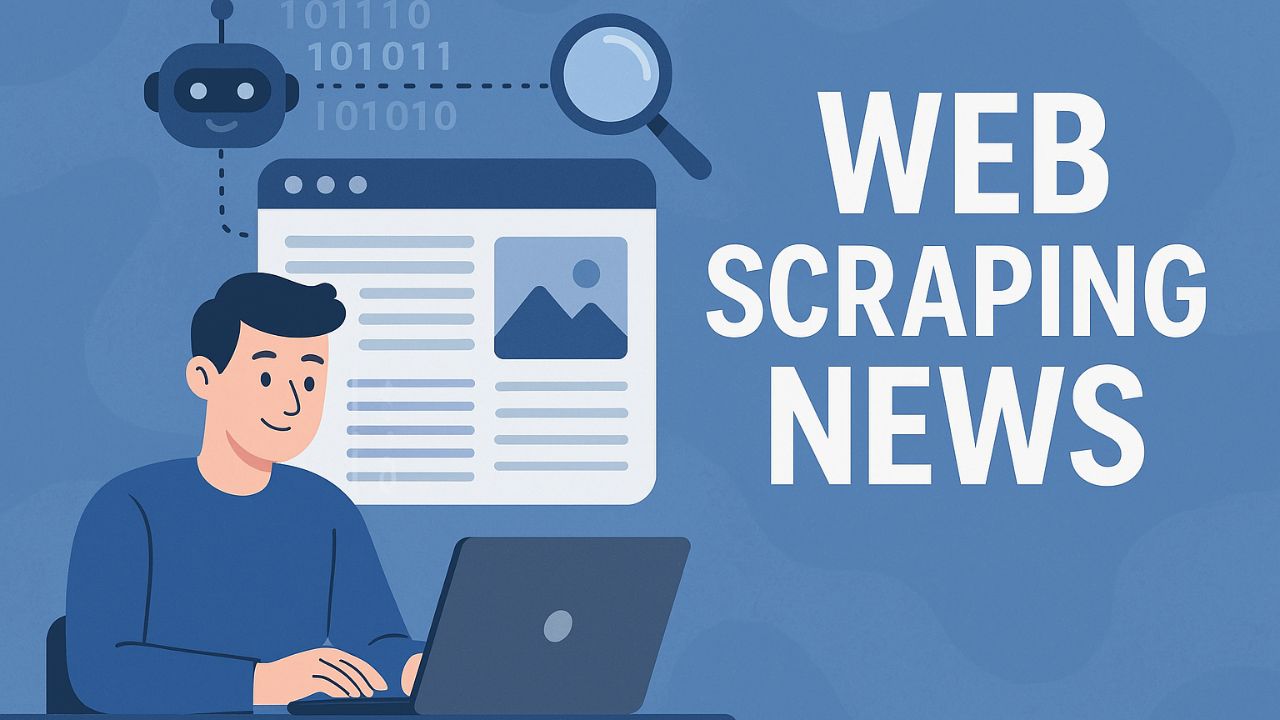
At its core, LinkedIn scraping involves the automated extraction of structured information from various LinkedIn pages. This includes user profiles, job listings, company details, and more. The extracted data powers numerous business functions ranging from lead generation and recruitment to competitive research and market analysis.
Two Approaches to LinkedIn Data Scraping
There are two primary methods for extracting data from LinkedIn:
Manual Scraping
This approach requires basic coding skills, typically utilizing Python along with libraries such as Beautiful Soup and Requests. While manual scraping offers flexibility and cost-effectiveness, it demands technical knowledge and expertise to implement effectively.
Automated Scraping Tools
These specialized platforms handle the technical aspects of data extraction for you. Automated tools can scan and pull data at scale according to predefined parameters, significantly saving time and reducing effort. However, each tool varies in terms of features, speed, and compliance with LinkedIn’s terms of service, making the selection process crucial for success.
Applications Across Industries
LinkedIn data scraping serves various business needs:
- Startups seeking qualified leads
- Recruiters searching for specific talent
- Business analysts tracking industry trends
By leveraging LinkedIn scraping, organizations gain access to the data needed to operate faster and make smarter decisions in today’s competitive landscape.
Ethical Considerations
While the benefits of LinkedIn data scraping are substantial, it’s important to remember that data is only as powerful as the strategy behind it. Using extracted information ethically, legally, and wisely transforms raw data into genuine business opportunities.
As organizations increasingly rely on professional network data for decision-making, LinkedIn scraping continues to evolve as an essential tool for modern business intelligence, providing structured access to the world’s largest professional database.